
Learning Objectives of the Module
After the successful completion of this module, you will be able to:
Remember & Understand
• Identify the primary roles of carbohydrates, proteins, and fats in supporting athletic performance, recovery, and long-term health.
• Explain the “Food First” philosophy, detailing why the complex matrix of nutrients in whole foods is preferred over isolated supplements for nutrient density and safety.
• Describe the concept of “Muscle Protein Turnover” and identify leucine as the key amino acid trigger for muscle protein synthesis (MPS).
Apply & Analyze
• Calculate individualized daily macronutrient targets (in grams) for an athlete based on their specific body weight and training intensity (e.g., low, moderate, or high-volume).
• Contrast the physiological needs for carbohydrates versus protein during exercise, specifically regarding energy maintenance versus structural repair.
• Analyze the “Anabolic Window” versus strategic distribution, explaining why spacing protein intake every three to four hours is more effective for ongoing tissue repair than concentrating it in a single “dinner trap”.
Evaluate & Create
• Critique the use of high-fat or ketogenic diets for high-intensity performance, using evidence regarding their impact on carbohydrate availability and “high-speed” fuel metabolic pathways.
• Assess the necessity of supplements (like protein shakes or Omega-3s) by identifying specific scenarios—such as travel or limited meal access—where they “fill the gaps” of a whole-food diet.
• Design a periodised daily meal plan for a 70 kg athlete that aligns carbohydrate and fiber intake with a high-intensity training schedule to maximize energy stores while avoiding gastrointestinal distress.
Lesson resources
Module 1 in PDF format
Module 1 in Audio format
1. Introduction: The “Food First” Philosophy
For an athlete, the kitchen is just as important as the training ground. The “Food First” approach is based on the idea that whole, minimally processed foods provide a complex matrix of nutrients—vitamins, minerals, fiber, and antioxidants—that work together in ways a single supplement cannot replicate.
Why Whole Foods Come First
- Nutrient Density: Whole foods offer a broad spectrum of micronutrients that support immune health and bone metabolism, which are critical for high-volume training.
- Safety and Quality: Relying on whole food minimizes the risk of consuming prohibited substances or low-quality ingredients sometimes found in unregulated supplements.
- Satiety and Health: High-quality protein and fat sources (like eggs, fish, and nuts) help control hunger and support long-term physiological homeostasis.
While supplements can play a targeted, “conditionally essential” role—such as using Omega-3 (EPA/DHA) for heart and brain protection or protein shakes for immediate post-exercise recovery when a meal isn’t practical, they should only be used to “fill the gaps” of a solid, food-based diet.
Image 1 presents a practical, evidence-informed approach to sports nutrition that prioritizes whole foods over supplementation. The model is built around three core pillars of performance nutrition: 1) carbohydrates as the primary fuel source for training and competition, 2) protein for muscle repair and adaptation, and 3) healthy fats for hormonal function, recovery and long-term health. The figure also illustrates scalable carbohydrate recommendations according to training demands, strategic protein timing throughout the day, and daily macronutrient targets adjusted to athlete body mass. Emphasis is placed on sustainable dietary habits, recovery optimization, and health protection in developing athletes.
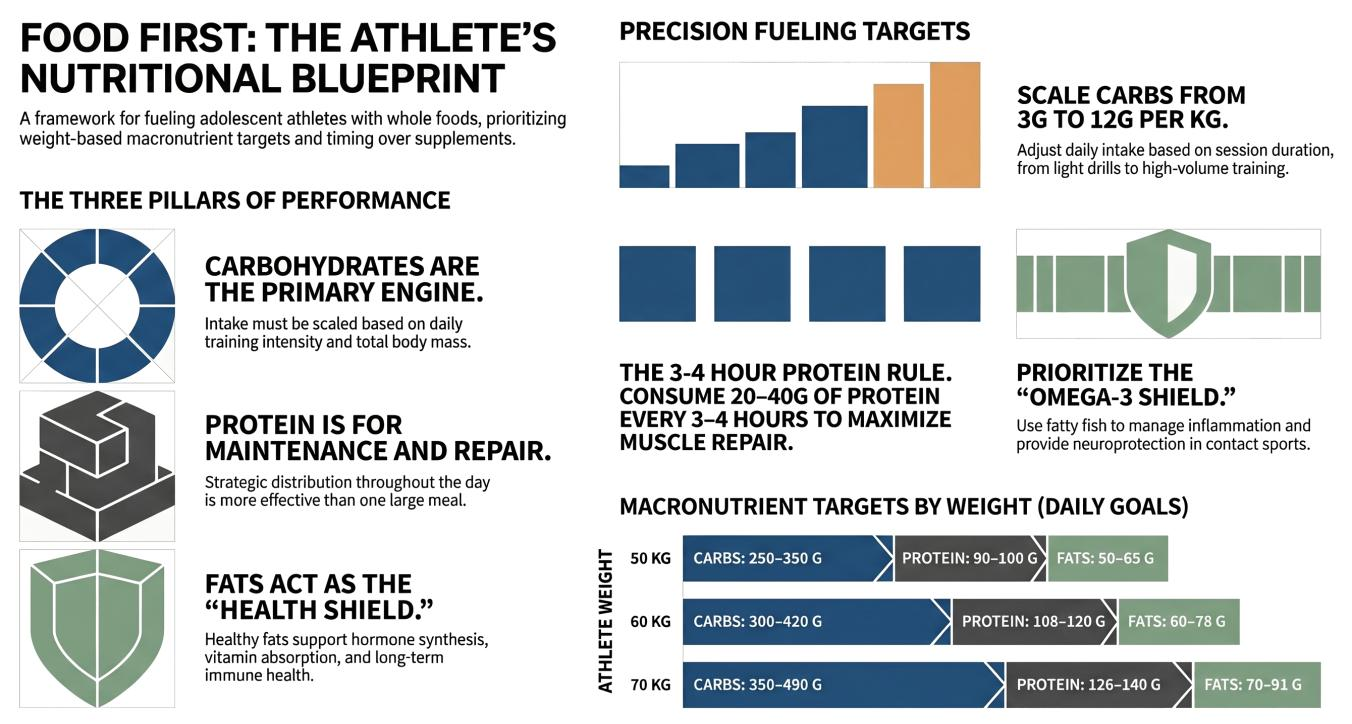
Image 1: Food-First Nutritional Framework for young athletes
2. Carbohydrates in Athletic Performance
Carbohydrates play a central role in sports nutrition due to their function as a primary energy source for both skeletal muscle contraction and central nervous system activity. Unlike other nutrients, the body’s carbohydrate stores—specifically muscle and liver glycogen and circulating blood glucose—are limited relative to the energetic demands of training and competition. Consequently, adequate daily carbohydrate intake, as well as strategic timing before, during, and after exercise, is essential to sustain performance, delay fatigue, and support recovery and training adaptation (Desbrow et al., 2014; Thomas et al., 2016; Kerksick et al., 2018).
Rather than adopting a universal “high-carbohydrate diet,” contemporary guidelines emphasize an individualized approach. This means carbohydrate intake should be matched to several specific factors (Thomas et al., 2016; Quaresma et al., 2025):
- Body Mass: Requirements are calculated based on the athlete’s weight (Thomas et al., 2016; Quaresma et al., 2025).
- Training Load: Intake is adjusted according to exercise intensity and duration (Thomas et al., 2016; Quaresma et al., 2025).
- Recovery Needs: Considerations include the recovery time available between sessions (Thomas et al., 2016; Quaresma et al., 2025).
- Periodization: Fueling should align with the athlete’s periodized training plan (Thomas et al., 2016; Quaresma et al., 2025).
This approach is applicable to both adult and adolescent athletes, as available evidence
suggests that carbohydrate requirements do not differ substantially between these
populations when training loads are comparable (Desbrow et al., 2014).
2.1 Daily Carbohydrate Requirements
Carbohydrates are the most important nutrient for meeting the energy demands of physically active individuals. To ensure the athlete has enough energy, we calculate their needs based on their body weight. This ensures that a 50kg gymnast and an 80kg rower both get exactly what their bodies require.
The following ranges (expressed as grams of carbohydrate per kilogram of body weight) are recommended based on the intensity of the training day (Desbrow et al., 2014; Kerksick et al., 2018; Quaresma et al., 2025):
- Low-intensity or skill-based activity: 3–5 g/kg/day
- Moderate training (~1 h/day): 5–7 g/kg/day
- Endurance training (1–3 h/day): 6–10 g/kg/day
- High-volume or high-intensity training (≥4 h/day): 8–12 g/kg/day
Practical Example:
If an athlete weighs 60 kg and has a Moderate training day (5–7 g/kg):
- Low end: 60 kg x 5 g = 300 grams of carbs per day.
- High end: 60 kg x 7 g = 420 grams of carbs per day.
Tip: These targets are not static. They should be refined based on the athlete’s training quality, how well they recover, and their specific competition goals (Quaresma et al., 2025).
This table shows the total grams of carbohydrates required per day based on the
athlete’s body mass and training intensity.
| Athlete Weight | Low Intensity (3-5 g/kg) | Moderate Training (5-7 g/kg) | Endurance / High Intensity (6-10 g/kg) |
|---|---|---|---|
| 50 kg | 150 – 250 g | 250 – 350 g | 300 – 500 g |
| 60 kg | 180 – 300 g | 300 – 420 g | 360 – 600 g |
| 70 kg | 210 – 350 g | 350 – 490 g | 420 – 700 g |
| 80 kg | 240 – 400 g | 400 – 560 g | 480 – 800 g |
To help understand how to reach a target (e.g., 300g), we can use “Carbohydrate Exchanges.” Each portion below contains approximately 25–30g of carbohydrates.
| Food Item | Portion size for ~ 25 – 30 g of Carbohydrates |
|---|---|
| Pasta / Rice | 1 cup, cooked |
| Potato | 1 medium potato (fist-sized) |
| Bread | 1.5 slices of whole-grain bread |
| Banana | 1 large banana |
| Oats | 1/2 cup (dry/uncooked) |
| Sports Drink | 500ml (of a standard 6% solution) |
2.2 Carbohydrate Periodization and Training Adaptation
Nutritional periodization, particularly of carbohydrate intake, should align with training periodization. Sessions that prioritize high-quality performance or competition outcomes benefit from high carbohydrate availability, whereas selected training sessions may intentionally be performed with lower carbohydrate availability to enhance specific metabolic adaptations (Thomas et al., 2016).
2.2.1 Carbohydrate Intake Before Exercise
The primary goal of the pre-exercise meal is to maximize the energy stored in the muscles and maintain stable blood sugar levels during the activity. This strategy reduces fatigue and supports sustained performance, with the most significant benefits seen in exercise lasting longer than 1–2 hours. For prolonged endurance events, athletes may use “loading” strategies 1–2 days before the competition (Quaresma et al., 2025).
What an athlete eats is just as important as how much they eat. To avoid gastrointestinal (GI) distress during competition, consider the following (Quaresma et al., 2025):
- Limit Fiber and Fat: Excessive intake of fiber or fat shortly before exercise can slow digestion and cause stomach upset.
- Monitor Sugar Types: High loads of certain sugars, such as fructose, may lead to cramping or discomfort.
- The “Trial Run”: Athletes should always test their pre-exercise nutrition strategies during regular training sessions to identify their individual tolerance before an actual competition.
2.2.2 Carbohydrate Intake During Exercise
The requirement for consuming carbohydrates while training or competing is primarily determined by three factors: the duration of the session, the intensity of the effort, and the athlete’s pre-exercise energy status.
As the length of the exercise increases, fueling strategies must be adjusted to maintain performance while ensuring the athlete remains comfortable and avoids stomach issues. Based on current clinical guidelines, the following targets are recommended during activity:
| Exercise Duration | Fueling Requirement | Recommended Strategy |
|---|---|---|
| Short (< 60–75 min) | Generally not required | Benefits may be seen if the athlete is already depleted or in a 2nd daily session. Use a carbohydrate mouth rinse or ~60g/h in a 6% solution. |
| Moderate (75 min – 2.5 h) | 30–60 g/h | Standard sports drinks, gels, or easily digestible snacks. |
| Prolonged (> 2.5 h) | Up to 90 g/h | Use “multiple transportable carbohydrates” (e.g., glucose + fructose) to maximize absorption and energy use. |
A guide for what the athlete should consume per hour of activity to maintain peak performance.
| Goal ( Grams / hour) | Practical Example |
|---|---|
| 30 g/hour | 1 energy gel OR 500ml sports drink |
| 60 g/hour | 500ml sports drink AND 1 large banana |
| 90 g/hour | A mix of fluids, gels, and chews using “multiple transportable” sugars (Glucose + Fructose) |
Practical Tips
- Train the Gut: Just like muscles, the digestive system needs to be trained to handle food during movement. Always encourage athletes to try their “game day” snacks during practice first to ensure they don’t get an upset stomach.
- Mix Your Carbs: For very long events (over 2.5 hours), science suggests using “multiple transportable carbohydrates” (like a blend of glucose and fructose). This allows the body to absorb more fuel than it could from a single type of sugar alone.
- Balance Energy vs. Comfort: The goal is to provide enough energy to keep performance high while keeping the athlete’s stomach comfortable. If a child feels “heavy” or nauseous, try switching to a liquid carbohydrate solution (like a 6% sports drink).
2.2.3 Carbohydrate Intake After Exercise
Immediately following a session, the primary physiological priority is the rapid restoration of muscle and liver glycogen stores. This is especially critical when the recovery window between training sessions or competitions is limited to less than 8 hours. To optimize the rebuilding of energy stores, current evidence suggests a focused approach during the initial recovery phase (Desbrow et al., 2014; Kerksick et al., 2018; Quaresma et al., 2025):
- Target Intake: Athletes should aim to ingest 1.0–1.2 g/kg/hour of carbohydrate during the first 4 hours of recovery.
- Distribution: Distributing this amount across multiple smaller feedings, rather than one large meal, is preferred to optimize glycogen resynthesis.
- Food Selection: Focus on easily digestible, carbohydrate-rich foods and fluids to speed up absorption.
- Energy Availability: It is vital that the athlete’s total energy intake is sufficient to support these recovery processes and overall health.
2.3 Dietary Fiber Considerations
While carbohydrates are the central fuel for performance, the type of carbohydrate—specifically fiber—must be managed according to the athlete’s training schedule. Fiber is essential for gut health, yet many athletes do not meet the general health recommendations of 25g/day for females and 38g/day for males. However, timing is everything (Mancin et al., 2025):
- Performance Phase: Excessive fiber intake shortly before or during competition can cause gastrointestinal distress. For these periods, athletes should use “lower-residue” (low-fiber) strategies, such as opting for white rice or pasta.
- Health and Maintenance: Inadequate fiber intake can impair gut health and the balance of the microbiota. During rest days or lower-intensity phases, athletes should prioritize high-fiber foods to support long-term health.
2.4 Special Considerations for Adolescents
For the adolescent athlete, carbohydrate recommendations must be tailored to the specific demands of their training and competition schedules, which often vary from adult structures in terms of duration and frequency. To simplify this, activity levels can be categorized to help match energy intake with the athlete’s actual needs:
- Low Intensity: This includes light training sessions, technical drills, or general recreational activity.
- Moderate Intensity: This refers to structured, focused training sessions lasting approximately 60 minutes.
- High Intensity: This category covers endurance sports or days involving multiple training sessions.
By accurately matching carbohydrate intake to these specific activity levels, ensure the athlete has sufficient energy for healthy growth, physical development, and optimal performance, all while avoiding the risks associated with unnecessary dietary restriction (Desbrow et al., 2014).
2.5 Conclussion
Adequate and well-timed carbohydrate intake is fundamental for athletes seeking to optimize performance, recovery, and training adaptation. An individualized, periodized approach—integrated with the athlete’s training plan and personal goals—represents best practice in contemporary sports nutrition. Aligning daily intake, acute fueling strategies, and recovery nutrition ensures that carbohydrate availability consistently meets the physiological demands of training and competition (Thomas et al., 2016; Kerksick et al., 2018; Quaresma et al., 2025).
3. Proteins in Athletic Performance
While carbohydrates provide the fuel, protein is responsible for the “maintenance and repair” of the athlete’s body. Understanding how protein works helps optimize strength, recovery, and long-term health.
The importance of muscle protein turnover
The body is in a constant state of “Muscle Protein Turnover”—a balance between breaking down old or damaged muscle and building new, functional tissue.
- Building vs. Breaking: Muscle mass increases and strength improves only when the rate of building (Muscle Protein Synthesis, MPS) exceeds the rate of breakdown.
- The Role of Amino Acids: Essential Amino Acids (EAAs) from the diet are the primary triggers that tell the body to start the building process.
- Continuous Renewal: Even if an athlete isn’t trying to “bulk up,” protein is vital to replace damaged muscle fibers with new, highly functioning ones after intense training (Ferrando et al., 2023).
3.1 Protein for Endurance Athletes: Recovery Over Performance
A common question is whether adding protein to sports drinks during exercise improves immediate performance (Witard et al., 2025).
- Performance Impact: Current consensus indicates that adding protein to carbohydrates during exercise does not improve endurance performance more than carbohydrates alone, provided the athlete is already meeting their energy needs.
- The Real Benefit: The value of protein for endurance athletes lies in post–exercise recovery and training adaptation. It helps repair muscle damage caused by long sessions and helps the body adapt to the training stimulus.
3.2 Performance Fueling: Carbohydrates vs. Protein During Exercise
Current research has debunked the myth that protein makes you faster during a workout. Instead, it emphasizes that if your carbohydrate intake is on point, protein is unnecessary for performance (Witard et al., 2025).
1. The “Optimal Delivery” Rule
When an athlete consumes the ideal amount of carbohydrates for their sport, adding protein offers no extra benefit to endurance capacity or time trial performance.
- The Takeaway: Focus on the quality and quantity of your sports drink or gel’s carbohydrates first.
2. The Energy Deception
Older studies that claimed a 30% boost from protein were flawed because they didn’t give the athletes enough carbohydrates (only about 26g).
- The Reality: The athletes improved simply because they were getting extra calories from the protein, not because protein has a “magical” performance-enhancing property. If those extra calories had come from more carbohydrates, the result would have been the same or better.
3. The Ultra-Endurance Exception
The only time protein during exercise might be relevant is in “Ultra” events lasting more than 5–6 hours.
- The Goal: In these extreme cases, protein helps prevent the body from breaking down too much of its own muscle tissue (maintaining protein balance), but it still hasn’t been proven to make the athlete faster.
| Feature | Carbohydrates (CHO) | Protein (PRO) |
|---|---|---|
| Primary Role | Direct fuel for muscles and brain. | Muscle repair and structural balance. |
| During 1-2h Exercise | Essential for maintaining pace. | Not needed for performance. |
| During 5h+ Exercise | Crucial for energy. | Recommended to prevent muscle loss. |
| When to focus on it? | Throughout the entire event. | Save it for immediately after the finish line. |
3.3 Protein Nutrition for Endurance: Recovery and Adaptation
Optimizing performance is the fundamental goal of sports nutrition, but for endurance athletes, the role of protein is often misunderstood. While carbohydrates are the primary fuel, protein’s main job is to support the body’s “maintenance and repair” system through a process called muscle protein turnover.
Does Protein Improve Endurance Performance?
There has been significant debate over whether consuming protein during a race or training session makes an athlete faster. Early studies suggested that adding a small amount of protein to a sports drink could improve endurance by up to 30%. However, modern research has identified flaws in those studies, such as not providing enough carbohydrates or not matching the total calories between the groups being tested.
When athletes consume an optimal amount of carbohydrates, adding protein during exercise typically shows no additional performance benefit in time trials. Therefore, the general scientific consensus is that for standard endurance sessions lasting 1 to 2 hours, co-ingesting protein with carbohydrates does not improve immediate performance compared to carbohydrates alone, as long as the athlete is meeting their energy needs.
The True Priority: Recovery and Long-Term Adaptation
The real value of protein for an endurance athlete lies in what happens after the session. Intense endurance training naturally causes muscle fiber damage and protein breakdown. Protein intake is essential to stimulate Muscle Protein Synthesis (MPS), which is the process of building new, functional muscle fibers to replace older, damaged ones.
The focus should be on using protein to facilitate recovery and promote training adaptations. This means that while protein might not provide a “speed boost” during the workout, it ensures the athlete’s muscles are repaired and ready for the next session. Furthermore, when an athlete cannot tolerate the full recommended amount of carbohydrates immediately after a session, adding protein can actually help speed up the restoration of muscle energy stores (glycogen).
3.4 Professional Intake Recommendations
To support these metabolic needs, specific targets have been established for athletes in different training contexts (Hecht et al., 2023):
- Standard Training Days: Athletes should aim for a dietary protein intake of 1.80 g/kg of body mass per day.
- Recovery Days: Intake should increase to 2.0 g/kg of body mass per day to prioritize tissue repair.
- Low-Carbohydrate Training: On days where carbohydrate availability is intentionally low, protein intake should be around 1.95 g/kg to prevent excessive muscle breakdown.
- Post-Exercise Recovery: A dose of 0.5 g/kg immediately after exercise is recommended to facilitate the remodeling of muscle proteins.
3.5 Protein Intake for High-Level Athletes: Beyond the Basics
For decades, there was a debate about whether athletes needed more protein than the general population. While a sedentary person might only need 0.8–1.0 g/kg of protein daily to avoid deficiency, competitive athletes require significantly more to optimize their body’s response to training and maintain the ideal lean mass-to-fat ratio.
The Importance of Protein Quality and Distribution
It is now widely accepted that simply hitting a total daily number is not enough. The benefit comes from consuming high-quality proteins that provide all essential amino acids—distributed strategically over a 24-hour period following key workouts. This approach promotes the creation of new body proteins and replaces those damaged during exercise.
To maximize this training response, athletes should aim for protein-rich foods high in leucine (an amino acid that acts as a “trigger” for muscle repair). Consuming approximately 0.3–0.4 g/kg of rapidly digested protein across four to five eating occasions per day is considered optimal.
Adjusting for Different Goals
Protein requirements are not static; they change depending on whether an athlete is maintaining weight or trying to adjust their body composition:
- Weight-Stable Athletes: For those looking to maintain their current physique and adapt to training, a total daily intake of 1.3–1.7 g/kg is the optimal target.
- Athletes in Weight Loss Phases: If the goal is to lose body fat while retaining or even increasing lean muscle mass, protein needs rise significantly. In these scenarios, combined with resistance exercise, athletes are advised to consume 1.6–2.4 g/kg of protein daily.
Mixed Meals: When protein is part of a complex meal (which slows down absorption), or when an athlete is in a calorie deficit, the per-meal dose should increase to 0.4–0.5 g/kg to ensure the body still gets the signal to repair muscle.
3.5.1 Food First, Supplements Second
A whole-food–based dietary pattern should always form the foundation of an adolescent athlete’s nutrition plan. Whole foods provide not only high-quality protein but also essential micronutrients, bioactive compounds, and dietary fiber that support growth, immune function, and long-term health. They are also generally safer and more cost-effective than supplementation strategies.
However, supplements can serve a practical role in specific situations. For example, following an away competition, after a late-night training session, or when access to a full meal is limited, protein supplements may help athletes meet daily requirements efficiently. In these contexts, supplementation should be viewed as a strategic tool rather than a replacement for balanced meals (Burke et al., 2019).
3.5.2 Protein Nutrition for the Adolescent Athlete
Protein plays a dual role during adolescence. Beyond supporting exercise recovery and muscle repair, it is essential for growth, tissue development, hormonal maturation, and overall physiological adaptation. Because adolescent athletes experience both training stress and developmental demands simultaneously, their protein needs exceed those of non-active peers.
- Daily Recommendations: Current sports nutrition research recommends a daily protein intake of approximately 1.4–2.0 g/kg/day for most adolescent athletes.
- Endurance Athletes: Typically require 1.2–1.7 g/kg/day to offset increased amino acid oxidation and support recovery.
- Strength & Hypertrophy Athletes: May benefit from 1.6–2.2 g/kg/day to optimize muscle adaptation.
- Caloric Restriction: During periods of caloric restriction or body composition goals, intake should remain close to 2.0 g/kg/day to minimize lean mass loss.
Importantly, adequate total energy intake is critical. When an athlete is in a significant energy deficit, dietary protein may be diverted for fuel rather than used for muscle repair and growth (Quaresma et al., 2025).
3.5.3 The “Ceiling Effect” and Protein per Meal
Although total daily intake is the primary determinant of adaptation, the body has a practical upper limit for how much protein can maximally stimulate muscle protein synthesis at one time. Research in adolescents aged 14–18 suggests that muscle repair responses plateau at approximately 0.25–0.30 g/kg per meal, particularly in the post-exercise period. Consuming amounts substantially above this threshold in a single sitting does not appear to provide additional muscle-building benefit.
For a 70 kg athlete, this corresponds to roughly 20 grams of protein per meal. While larger servings are not harmful, distributing protein evenly across the day appears more physiologically efficient than concentrating the majority at dinner (Everett, 2025).
3.5.4 Protein Distribution and the “Dinner Trap”
A common pattern among student-athletes is uneven protein intake, with the majority consumed in the evening and relatively little at breakfast or lunch. This distribution limits the frequency of muscle protein synthesis stimulation throughout the day. Spacing protein intake approximately every three to four hours helps maintain repeated anabolic signaling and supports ongoing tissue repair. Increasing protein intake earlier in the day—particularly at breakfast—may therefore enhance overall recovery and adaptation without increasing total daily intake. While some studies suggest that uneven distribution may still produce similar long-term outcomes if total intake is sufficient, a balanced pattern remains a practical and physiologically sound strategy, especially for growing athletes.
3.5.5 Key Benefits of Strategic Distribution
How an athlete distributes their food throughout the day can influence their body composition and appetite:
- Balanced Distribution: Distributing moderate doses of protein (20–40g or 0.25–0.40 g/kg) every 3 to 4 hours best supports muscle building and improves overall physical performance.
- Managing Hunger: For athletes needing to manage their weight, increasing the frequency of meals can help control hunger and satiety.
Exercise Synergy: While changing meal frequency has a limited effect on body composition by itself, it is much more effective when paired with a structured exercise program.
3.5.6 Protein Timing: Moving Beyond the “Anabolic Window”
Traditional sports nutrition emphasized a narrow “anabolic window” immediately following exercise. Contemporary evidence suggests a broader and more flexible perspective. Although consuming protein soon after training is practical and beneficial, it is not physiologically urgent for long-term adaptation. Muscle tissue remains sensitized to amino acids for up to 16–48 hours following resistance exercise.
For high-volume athletes training more than eight hours per week, consuming protein before, during, or shortly after exercise can support recovery efficiency. However, the total daily protein intake remains more influential than exact timing (Kerksick et al., 2017).
3.5.7 Protein Quality and the Leucine Threshold
The effectiveness of a protein feeding is influenced not only by quantity but also by amino acid composition. Leucine plays a central regulatory role in activating muscle protein synthesis (MPS). Each protein dose should ideally provide approximately 700–3,000 mg of leucine, which is typically achieved with 20–40 g of high-quality protein (Quaresma et al., 2025).
- Animal-Based Proteins: Sources such as dairy, eggs, and lean meats naturally provide all essential amino acids in optimal proportions.
- Whey Protein: This specific source stimulates rapid increases in muscle protein synthesis due to its exceptionally high leucine content.
- Plant-Based Diets: These can fully support athletic development provided that the total protein intake is sufficient (≥1.6 g/kg/day) and protein sources are varied to ensure a complete amino acid profile.
- Long-Term Outcomes: When daily intake is adequate, current evidence indicates that the protein source (animal vs. plant) does not significantly influence long-term muscle growth outcomes.
3.5.8 Pre-Sleep Protein and Overnight Recovery
One of the most consistent findings in modern sports nutrition research is the benefit of pre-sleep protein ingestion. Consuming 30–40 g of casein protein approximately 30 minutes before sleep has been shown to increase overnight muscle protein synthesis rates. Because casein digests slowly, it provides a sustained release of amino acids during sleep, supporting recovery and adaptation.
Importantly, this strategy does not appear to impair fat metabolism and may increase resting metabolic rate the following morning (Jäger et al., 2017). For adolescent athletes with high training loads, pre-sleep protein can be an efficient method of meeting daily intake goals.
3.5.9 Carbohydrate–Protein Synergy
For endurance and high-volume athletes, protein should not replace carbohydrate intake as the primary performance fuel. Carbohydrates remain essential for glycogen replenishment and optimal performance.
However, when carbohydrate intake is suboptimal, adding 0.2–0.5 g/kg/hour of protein to carbohydrate feedings may accelerate glycogen restoration, reduce markers of muscle damage, and improve recovery. This combined strategy can be particularly useful during congested competition schedules.
3.5.10 Practical Application
For a 70 kg adolescent athlete aiming for approximately 1.6 g/kg/day, daily protein needs would be about 110–115 grams. This could be achieved through four to five meals or snacks providing approximately 20–30 grams each, potentially including a pre-sleep serving of casein-rich dairy.
Examples of approximately 20 grams of protein include Greek yogurt with granola, cottage cheese with fruit, 500 ml of chocolate milk, or peanut butter on whole-grain bread combined with soy milk.
3.5.11 Key Takeaways
Protein should be viewed as a recovery-support nutrient rather than a performance-enhancing substance. The most important variable is total daily intake, followed by sensible distribution across meals. Timing is flexible, provided overall intake is adequate. Whole foods should remain the priority, with supplementation used strategically when practical constraints exist. Finally, protein recommendations must always be individualized according to sport demands, growth stage, training volume, and energy balance.
Nutrient Timing: Optimizing the Athlete’s Daily Schedule
While the total amount of protein and carbohydrates consumed in a day is the most important factor, the specific timing of these nutrients can significantly enhance recovery and performance outcomes. Strategic nutrient timing is particularly beneficial for athletes performing high volumes of exercise (8 or more hours per week), as they must constantly replenish their body’s energy stores.
Strategic Fueling and Recovery
Effective timing helps the body recover faster and adapt more efficiently to the stress of training:
- The Synergy of Carb-Protein Mixes: Adding a small amount of protein (0.2–0.5 g/kg/h) to carbohydrates can speed up the refilling of muscle energy (glycogen) if the carbohydrate intake alone is not at the maximum level. This combination also helps minimize muscle damage and promotes a healthier hormonal balance after intense sessions.
- The “Peri-Workout” Window: Consuming protein shortly before, during, or after a workout is a sensible strategy for high-volume athletes. Waiting several hours after exercise to consume protein offers no physiological benefit and may slow down the rebuilding process.
- Maximizing Muscle Building: A dose of 20–40g of high-quality protein (containing 10–12g of essential amino acids) can maximize muscle repair rates for up to three to four hours.
Protein needs are not the same every day. Based on the athlete’s specific situation, use the following targets as presented in Table 6:
| Training Situation | Daily Protein Target | Specific Goal |
|---|---|---|
| Standard Training Day | 1.80 g/kg | General muscle maintenance and repair. |
| Intense / Hard Training | ~1.5 – 1.7 g/kg | Optimizing adaptation to heavy loads. |
| Recovery Days | 2.0 g/kg | Prioritizing full tissue repair. |
| Low-Carb Training | 1.95 g/kg | Preventing muscle breakdown during fuel shortage. |
| Weight Loss (Muscle Retention) | 1.6 – 2.4 g/kg | Losing fat while protecting existing muscle. |
| Luteal Phase (Females) | 1.90 g/kg | Adjusting for hormonal changes in the menstrual cycle. |
Use these portions to build the “protein core” of each main meal, as presented in Table 7.
| Food Source | Serving Size (Cooked/Ready) | Performance Benefit |
|---|---|---|
| Chicken or Turkey | 100g | Highest in Leucine, the primary trigger for muscle repair. |
| Lean Beef | 90–100g | High in Iron and Zinc, essential for oxygen transport and immunity. |
| Salmon or Tuna | 100–120g | Combines protein with essential Omega-3 for heart and brain health. |
| Eggs | 3–4 Large eggs | Provides a complete amino acid profile and Vitamin D. |
| Greek Yogurt | 200g (1 cup) | Rich in Casein, ideal for long-term muscle support. |
| Cottage Cheese | 150–180g | A slow-digesting protein source, perfect for a pre-sleep snack. |
| Lentils / Chickpeas | 1.5 – 2 Cups | Best plant-based option; pair with rice for a complete protein profile. |
| Soy or Tofu | 150–200g | The most effective plant-based source for stimulating muscle repair. |
| Chocolate Milk | 600–700ml | An effective, practical recovery drink with the ideal carb-to-protein ratio. |
| Athlete Weight | Standard Training (1.8 g/kg) | Recovery Day (2.0 g/kg) | Weight Loss / Retention (2.4 g/kg) |
|---|---|---|---|
| 50 kg | 90 g per day | 100 g per day | 120 g per day |
| 60 kg | 108 g per day | 120 g per day | 144 g per day |
| 70 kg | 126 g per day | 140 g per day | 168 g per day |
| 80 kg | 144 g per day | 160 g per day | 192 g per day |
After training, the goal is to “switch on” the repair process (Muscle Protein Synthesis) as quickly as possible.
| Athlete Weight | Standard Post-Workout (0.5 g/kg) | Glycogen Support (0.4 g/kg) |
|---|---|---|
| 50 kg | 25 g dose | 20 g dose |
| 60 kg | 30 g dose | 24 g dose |
| 70 kg | 35 g dose | 28 g dose |
| 80 kg | 40 g dose | 32 g dose |
The following table shows the Total Daily Grams required based on training intensity and provides a Sample Daily Distribution using common food portions.
| Athlete Weight | Standard Training (1.8 g/kg) | Recovery / Hard Day (2.0 g/kg) | Example Daily Food Distribution (to hit ~110-140g) |
|---|---|---|---|
| 50 kg | 90 g / day | 100 g / day | Breakfast: 3 Eggs (21g) Lunch: 100g Chicken (25g) Post-Workout: 600ml Choco Milk (20g) Dinner: 120g Salmon (25g) Pre-Sleep: 200g Greek Yogurt (20g). |
| 60 kg | 108 g / day | 120 g / day | Breakfast: 1 cup Cottage Cheese (25g) Lunch: 100g Turkey (25g) Snack: 20g Peanut Butter (7g) Dinner: 150g Tofu (20g) Post-Workout Recovery: 30g Protein Shake or Meal (25g). |
| 70 kg | 126 g / day | 140 g / day | Breakfast: 200g Greek Yogurt (20g) Lunch: 120g Lean Beef (30g) Snack: 1.5 cups Lentils (25g) Dinner: 150g White Fish (30g) Pre-Sleep: 150g Cottage Cheese (25g). |
| 80 kg | 144 g / day | 160 g / day | Breakfast: 4 Eggs (28g) Lunch: 150g Chicken (37g) Snack: 2 cups Chickpeas (30g) Dinner: 180g Salmon (38g) Pre-Sleep: 1 cup Greek Yogurt + Nuts (25g). |
4. Fats in Athletic Performance
Dietary fats are a fundamental nutrient required to support human health, maintain physiological balance, and drive athletic performance. While often viewed simply as a dense source of calories, lipids (fats) play several critical roles that go far beyond just providing energy for long training sessions (Kerksick, 2019; Kozjek Schwietert et al., 2026; Schek et al., 2019).
4.1 Why Do Athletes Need Healthy Fats?
For an athlete, adequate fat intake is essential for several non-negotiable bodily functions:
- Cellular Integrity & Hormones: Fats are the building blocks of every cell membrane in the body and are required to synthesize essential steroid hormones (like testosterone and estrogen), which regulate growth and recovery.
- Vitamin Absorption: Without enough dietary fat, the body cannot absorb and transport fat-soluble vitamins (A, D, E, and K), which are vital for bone health, vision, and immune function.
- Immune Support: Intense training puts metabolic stress on the body. Healthy fats help regulate the immune system and manage the inflammation that naturally occurs after hard workouts.
In athletic populations, getting the right amount and type of fat is particularly important. Athletes often have very high energy demands, and healthy fats are the most efficient way to meet those needs. However, a common risk—especially in sports that emphasize lean physiques—is intentional dietary restriction. Restricting fat too much can lead to hormonal imbalances, weakened immunity, and a lack of essential vitamins, ultimately hindering long-term athletic development.
The goal is to balance performance optimization with long-term health. Recommendations for lipid intake are not one-size-fits-all; they must be adjusted based on the athlete’s age, their specific sport, and their total training volume (Kerksick, 2019; Kozjek Schwietert et al., 2026).
4.2 Understanding Structure of Fats
To support an athlete properly, we must look at fats (lipids) as more than just calories. They are complex molecules that the body uses for everything from building cell walls to producing the hormones that drive growth and recovery.
The Different Types of Fats
Most dietary fats come in the form of triglycerides. Depending on their structure, they are classified into three main categories, each with a different role:
- Saturated Fats: Often found in animal products; needed in moderation.
- Monounsaturated Fats: Found in olive oil and avocados; highly beneficial for heart health.
- Polyunsaturated Fats: This group includes the famous Omega-3 and Omega-6 families, which are “essential,” meaning the body cannot make them and must get them from food.
Physiological Roles: More than Just Fuel
While carbohydrates are the “high-octane” fuel for sprinting, fats are the “diesel” for long-term endurance.
- High-Efficiency Energy: Fats provide significantly more energy (ATP) per molecule than carbohydrates.
- Muscle Storage: Athletes store fats not just in adipose tissue (body fat), but also directly inside the muscles as intramuscular triglycerides. Regular training actually improves the muscle’s ability to store and burn this fat as fuel during long sessions.
- Vitamin “Transport”: Vitamins A, D, E, and K are fat-soluble. Without enough fat in the diet, an athlete cannot absorb these nutrients, leading to poor bone health and weakened immunity.
4.3 Fat Intake Recommendations for Athletes
Finding the “sweet spot” for fat intake is crucial. If it’s too low, health suffers; if it’s too high, it might push out the necessary carbohydrates and proteins.
The 20% to 35% Rule
Current clinical consensus (Kerksick, 2019; Quaresma et al., 2025) suggests that fat should make up 20% to 35% of an athlete’s total daily calories.
- The Danger of “Low-Fat” Diets: Consistently eating less than 20% fat can be harmful. It compromises the intake of essential fatty acids and fat-soluble vitamins, which can lead to hormonal imbalances and impaired recovery.
- The Balance: Fat intake should never be manipulated in isolation. It must be balanced so that there is still enough room in the diet for the carbohydrates needed for energy and the protein needed for muscle repair.
Translating the “20–35% of energy” guideline into grams helps to set a clear daily goal. For most athletes, a target of 1.0 to 1.5 grams of fat per kilogram of body weight ensures health and performance are both supported.
| Athlete Weight | Target g/kg | Daily Fat Target (Grams) | Example Distribution |
|---|---|---|---|
| 50 kg | 1.0 – 1.2 g | 50 – 65 g | 2 tbsp olive oil, 1/2 avocado, 1 handful of nuts |
| 60 kg | 1.0 – 1.2 g | 60 – 78 g | 2.5 tbsp olive oil, 150g salmon, 20g peanut butter |
| 70 kg | 1.0 – 1.2 g | 70 – 91 g | 3 tbsp olive oil, 1 handful of walnuts, 1/2 avocado, 2 eggs |
| 80 kg | 1.0 – 1.2 g | 80 – 104 g | 4 tbsp olive oil, 200g fatty fish, 30g almonds |
4.4 Fats During Weight Loss
Many athletes try to cut fats significantly when trying to lose weight or “lean out.” However, maintaining fat intake at no less than 20–25% is critical, even during periods of calorie restriction. Dropping below this level can exacerbate hormonal disturbances and weaken the immune system, making the athlete more prone to illness and injury (Kerksick, 2019; Quaresma et al., 2025a; Schek et al., 2019)
4.5 Sport-Specific Fat Needs: Finding the Right Balance
Different sports place different demands on the body’s energy systems. While the general rule is to keep fat between 20% and 35% of total calories, the way an athlete uses that fat depends on their training style.
4.5.1 Endurance Athletes
For athletes in endurance sports (long-distance running, cycling, swimming), fat is a vital backup fuel (Kerksick, 2019; Schek et al., 2019).
- Refilling the Muscle: High training volumes deplete the fat stored directly inside the muscles (intramuscular triglycerides). To replenish these stores, endurance athletes may need about 1.5 to 2.0 g/kg of body mass per day.
- The Keto Myth: Despite the popularity of “high-fat” or ketogenic diets, research shows they do not consistently improve performance. In fact, they can impair the athlete’s ability to perform at high intensities because they limit the availability of carbohydrates, which are the body’s preferred “high-speed” fuel.
4.5.2 Strength and Power Athletes
For sports like weightlifting, sprinting, or throwing, there is no evidence that extra fat intake improves performance. The priority here is ensuring enough total energy is available to support training quality and prevent stomach upset (gastrointestinal distress) that can occur with very high-fat meals.
4.5.3 Physique and Aesthetic Sports
Athletes in sports like gymnastics or bodybuilding often reduce fat intake significantly to achieve a leaner look (Roberts et al., 2020).
- The Risk: Very low fat intake during competition prep is common, but it can lead to drops in testosterone and other hormonal issues.
- The Safety Net: Experts recommend staying within a flexible range of 10–25% of total energy to support health while still meeting body composition goals.
4.6 Omega-3 Fatty Acids: The Athlete’s “Protective Shield”
Among all the fats in an athlete’s diet, the Omega-3 family (specifically EPA and DHA) stands out. These are considered “essential” because the body cannot produce them efficiently on its own. While the body can try to make them from plant sources like flaxseeds, the conversion rate is very low (Jäger et al., 2017).
The Best Strategy: Direct intake from fatty fish (salmon, sardines, mackerel) or high-quality supplements is the only reliable way to ensure an athlete has adequate levels.
Guidelines suggest that Omega-3s act on several “fronts” to help the athlete (Everett, 2025; Jäger et al., 2025):
- Heart and Blood Flow: They improve the flexibility of blood vessels and red blood cells, helping oxygen reach the muscles more efficiently and improving heart rate recovery after intense efforts.
- Muscle Recovery: Omega-3s help manage the inflammation and muscle damage that follow a hard workout. This doesn’t mean they “build” muscle like protein, but they help the athlete “bounce back” faster for the next session.
- Brain Protection: This is especially critical in contact sports. Omega-3s have neuroprotective effects and may help the brain recover from the repetitive impacts common in sports like football or water polo.
Sleep and Immunity: They have been linked to better sleep quality and a stronger immune system, both of which are vital when training loads are high.
4.7 Conclusion
To wrap up the discussion on fats, the priority for any athlete—adult or adolescent—should be adequacy, quality, and long-term health. We should move away from aggressive “fat-burning” diets and focus on these core principles:
- Stick to the Ranges: Keep fat intake between 20% and 35% of total calories. Falling below this range (especially below 20%) puts the athlete’s hormones and immune system at risk.
- Prioritize Quality: Focus on unsaturated fats (olive oil, avocados, nuts) and ensure a steady supply of Omega-3s from fish or supplements.
- Support Growth: For adolescent athletes, healthy fats are non-negotiable for proper pubertal development and bone health.
- Fuel the Training: Remember that while fat is a great energy source, it should never replace the carbohydrates needed for high-intensity performance.
Based on the nutrient data provided, this table categorizes fats into “functional groups” to help you choose the best sources for the athlete’s plate.
| Fat Group | Key Role | Top Food Sources |
|---|---|---|
| Polyunsaturated (Omega-3 & 6) | The “Repair” Group: Protects the heart, reduces inflammation, and supports brain health. | Fish: Salmon, Tuna, Herring, Mackerel.Plants: Walnuts, Linseed oil, Pumpkin seeds. |
| Monounsaturated | The “Daily Base”: Provides efficient energy and supports cellular integrity. | Olive oil (72% content), Avocados, Hazelnuts, Cashews, Peanut oil. |
| Saturated | The “Structural” Group: Essential for hormone synthesis but should be balanced. | Butter, Cheese (Gouda), Egg yolks, Coconut fat, Cream. |
| Trans Fats | Avoid: Offers no performance benefits and can impair long-term health. | Biscuits, Potato chips, Deep-frying oils, Instant soups. |
Integrated Macronutrient Strategies & Practical Applications
This table illustrates how different types of athletes distribute their nutrition to meet their specific training demands.
- Training Time Matters: The table connects minutes of training per day with specific nutrient goals. For example, athletes training over 110 minutes (Triathlon) have different requirements than those training for 40–90 minutes (CrossFit).
- Sport-Specific Fueling: You can see how carbohydrate and protein targets ($g/kg$) change depending on the sport. While a Triathlete focuses on higher carbohydrates for endurance, a CrossFit athlete may consume a higher percentage of energy from fats.
- The Professional Baseline: The ACSM General Guidelines row provides the standard range for all athletes, serving as the starting point for energy, repair, and health.
The Main Goal: The objective is to show that nutrition must be adjusted to the Training Volume (minutes per day) and the Type of Sport. This ensures the athlete gets the exact ratio of energy and repair nutrients their specific activity demands.
| Sport Type | Training (min/day) | Carbohydrates (g/kg) | Protein (g/kg) | Fats (% of Energy) |
|---|---|---|---|---|
| ACSM General Guidelines | Varies | 5.0 – 12.0 | 1.2 – 2.0 | 20% – 30% |
| Triathlon / Ironman | 111 – 143 min | 5.5 – 7.3 | 1.7 – 2.1 | 28% – 31% |
| Modern Pentathlon | ~64 min | 5.5 | 1.6 | 32% |
| Fitness / CrossFit | 41 – 90 min | 3.4 – 3.8 | 1.8 – 2.1 | 38.5% – 39.6% |
Adopted from: Schek et al., 2019
This table translates scientific recommendations into specific daily targets based on the athlete’s body mass.
Weight-Based Personalization: Nutrition is not “one size fits all.”. This table uses the athlete’s body weight to calculate the exact grams needed for energy, repair, and health.
| Athlete’s Weight | Carbohydrates (Energy) Target: 5-8 g/kg (CHO) | Protein (Repair) Target: 1.8-2.0 g/kg | Fats (Health/Hormones) Target: 1.0-1.2 g/kg | Total Est. Daily Intake (Example) |
|---|---|---|---|---|
| 50 kg | 250 – 400 g | 90 – 100 g | 50 – 60 g | Hard Training Day: 350g CHO / 100g PRO / 55g FAT Medium Training: 300g CHO / 95g PRO / 55g FAT |
| 60 kg | 300 – 480 g | 108 – 120 g | 60 – 72 g | Hard Training Day: 420g CHO / 120g PRO / 65g FAT Medium Training: 360g CHO / 115g PRO / 65g FAT |
| 70 kg | 350 – 560 g | 126 – 140 g | 70 – 84 g | Hard Training Day: 490g CHO / 140g PRO / 75g FAT Medium Training: 420g CHO / 135g PRO / 75g FAT |
| 80 kg | 400 – 640 g | 144 – 160 g | 80 – 96 g | Hard Training Day: 560g CHO / 160g PRO / 85g FAT Medium Training: 480g CHO / 155g PRO / 85g FAT |
This table helps build meals by translating gram targets into simple food portions. Each item in a column provides roughly the same amount of a specific macronutrient.
| The Energy Base (~25–30g Carbohydrates) | The Repair Core (~20–25g Protein) | The Health Shield (~14–18g Healthy Fats) |
|---|---|---|
| Rice/Pasta: 1/2 cup cooked | Chicken/Turkey: 100g cooked | Olive Oil: 1 tablespoon |
| Oats: 1/2 cup dry | Greek Yogurt: 200g (1 cup) | Walnuts: 1 handful (30g) |
| Potatoes: 1 medium boiled | Salmon/Tuna: 100–120g | Avocado: 1/2 medium fruit |
| Bread: 2 slices whole-grain | Eggs: 3–4 large eggs | Almonds: 25–30 pieces |
| Fruit: 1 large banana/apple | Cottage Cheese: 150–180g | Peanut Butter: 1.5 tablespoons |
This example shows how to time your nutrients around training to keep energy levels stable and support recovery. Notice how carbohydrates and protein are spread across 6 eating occasions. This prevents energy crashes and keeps the body in a constant state of repair.
Total Target: 490g Carbs / 140g Protein / 75g Fat
| Meal Time | Food Composition Example |
|---|---|
| Breakfast | 1 cup Oats + 1 cup Greek Yogurt + 1 Banana + 1 handful Walnuts. |
| Pre-Workout | 2 slices Toast with Jam + 1 Apple. |
| Post-Workout Recovery | 600ml Chocolate Milk or 1 Smoothie with 1 Banana + Protein powder. |
| Lunch | 150g Chicken + 2.5 cups Rice + Large salad with 1.5 tbsp Olive Oil. |
| Afternoon Snack | 1 slice Whole-grain bread with 1.5 tbsp Peanut Butter. |
| Dinner | 150g Salmon + 2 large boiled Potatoes + Steamed vegetables. |
Loading question...
Additional Recommended Material
1. Australian Institute of Sports (AIS) – Nutrition: https://www.ausport.gov.au/ais/nutrition
2. Nutrition.gov – Eating for Exercise and Sports: https://extension.colostate.edu/resource/nutrition-for-the-athlete/
3. USOPC – Nutrition (US Olympic & Paralympic Committee): https://www.usopc.org/nutrition